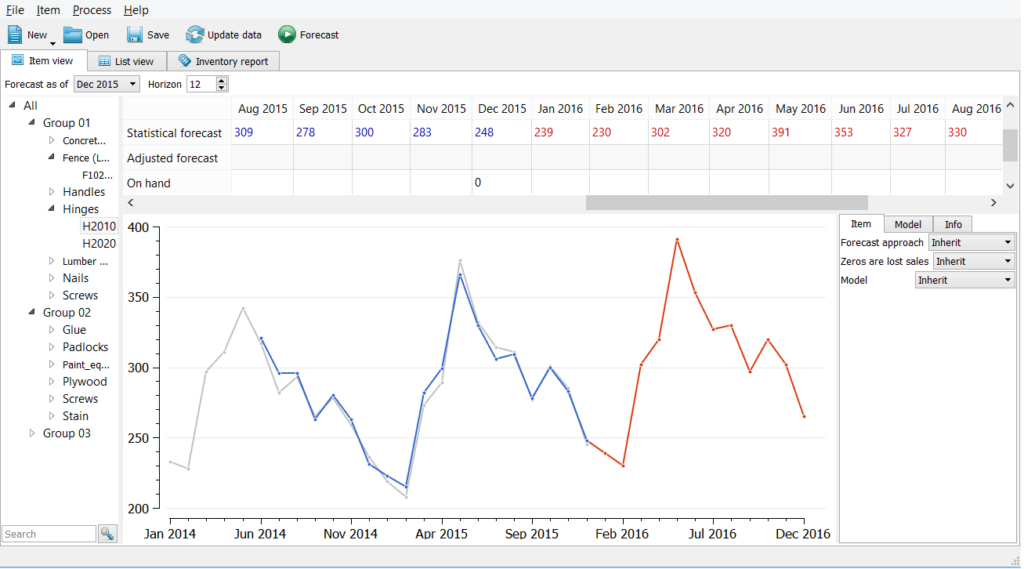
Introduction to Forecasting Software
In the fast-paced business world of 2025, staying ahead of the curve is more crucial than ever. Whether you’re a seasoned business leader, a data analyst, or someone involved in strategic planning, understanding and leveraging forecasting software can be the difference between leading the market and playing catch-up.
As we navigate through an era where data is the new currency, the ability to predict future trends accurately has become a cornerstone of successful business strategies. This comprehensive guide will take you through the intricacies of forecasting software, exploring its functionalities, real-world applications, and the latest trends that are shaping the future of predictive analytics.
What is Forecasting Software?
Forecasting software is a sophisticated tool that harnesses the power of statistical algorithms and advanced machine learning techniques to predict future trends based on historical and real-time data. It’s the crystal ball of the digital age, offering businesses insights into potential future scenarios, helping them make informed decisions, and preparing them for what lies ahead.
The Evolution of Forecasting Software
The journey of forecasting software from simple statistical models to complex AI-driven systems is a testament to the rapid advancements in technology. In the early days, forecasting relied heavily on basic statistical techniques and human intuition. Today, in 2025, we’re seeing a convergence of big data, artificial intelligence, and cloud computing, creating forecasting tools that are more accurate, faster, and more accessible than ever before.
How Forecasting Software Works
At its core, forecasting software operates on a simple principle: it analyzes patterns in historical data to predict future outcomes. However, the process is far from simple. Modern forecasting software employs a variety of techniques, including:
- Time series analysis
- Regression models
- Machine learning algorithms
- Neural networks
- Bayesian forecasting
These techniques work in concert to process vast amounts of data, identify complex patterns, and generate predictions that account for a multitude of variables and potential scenarios.
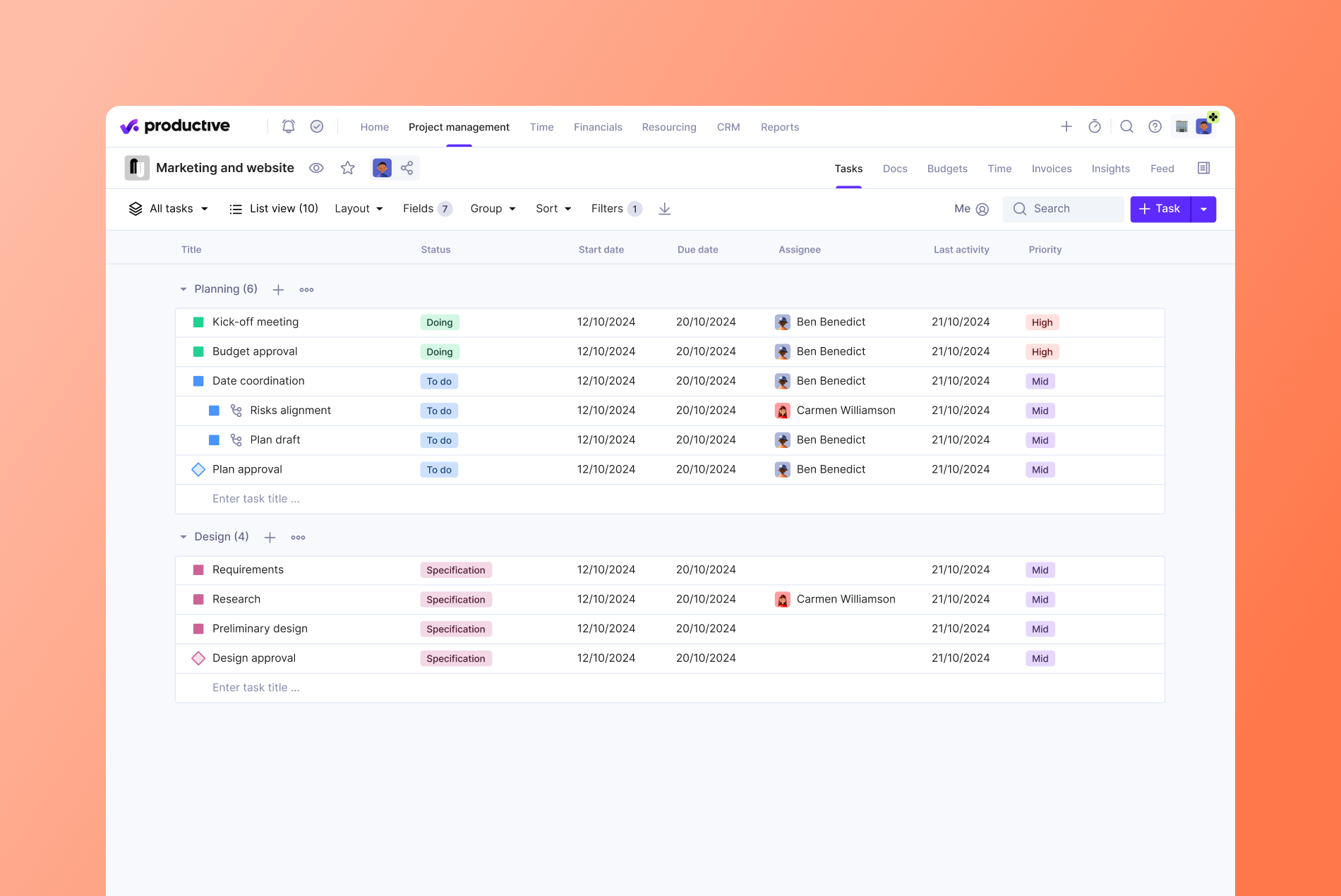
Key Features of Forecasting Software
To truly understand the power of forecasting software, it’s essential to delve into its key features. These capabilities are what set modern forecasting tools apart from traditional methods of prediction.
Data Collection and Integration
One of the most crucial aspects of effective forecasting is the ability to gather and integrate data from multiple sources. Modern forecasting software excels in this area by:
- Aggregating data from various internal and external sources
- Seamlessly combining historical records with real-time data feeds
- Cleaning and preprocessing data to ensure accuracy
- Handling structured and unstructured data types
This comprehensive data integration allows for a more holistic view of the business landscape, leading to more accurate predictions.
Advanced Analytical Tools
The heart of any forecasting software lies in its analytical capabilities. In 2025, these tools have become increasingly sophisticated, incorporating:
- Advanced statistical techniques like multivariate regression analysis
- Machine learning algorithms that improve over time
- Deep learning models for handling complex, non-linear relationships
- Natural language processing for analyzing textual data
These tools work together to uncover hidden patterns and relationships within the data, providing insights that would be impossible to discern through manual analysis.
Customizable Dashboards
Data visualization is key to making complex information understandable and actionable. Modern forecasting software offers:
- Interactive, customizable dashboards
- Real-time data visualization
- The ability to create tailored reports for different stakeholders
- Integration with popular business intelligence tools
These features ensure that decision-makers can quickly grasp the implications of the forecasts and make informed decisions.
Scenario Analysis
In an unpredictable business environment, the ability to explore different scenarios is invaluable. Forecasting software in 2025 offers robust scenario analysis capabilities, including:
- « What-if » scenario modeling
- Sensitivity analysis to understand the impact of different variables
- Monte Carlo simulations for risk assessment
- The ability to compare multiple scenarios side-by-side
This feature allows businesses to prepare for various possible futures, enhancing their ability to respond to changes quickly and effectively.
Real-time Forecasting
The ability to update forecasts in real-time as new data becomes available is a game-changer. Modern forecasting software offers:
- Continuous data ingestion and analysis
- Automatic forecast updates based on new information
- Alerts and notifications for significant changes in predictions
- Integration with operational systems for immediate action
This real-time capability ensures that businesses are always working with the most up-to-date predictions, allowing for agile decision-making in fast-moving markets.
Benefits of Using Forecasting Software
The adoption of forecasting software can bring a multitude of benefits to businesses across various industries. Let’s explore some of the key advantages:
Improved Decision-Making
Perhaps the most significant benefit of forecasting software is its ability to enhance decision-making processes. By providing accurate predictions and insights, it allows business leaders to:
- Make data-driven decisions with confidence
- Anticipate market changes and adapt strategies accordingly
- Identify potential risks and opportunities early
- Allocate resources more effectively
This improved decision-making capability can lead to better business outcomes and a stronger competitive position.
Enhanced Efficiency
Forecasting software can significantly boost operational efficiency by:
- Automating the data collection and analysis process
- Reducing the time spent on manual forecasting tasks
- Enabling faster response to market changes
- Optimizing inventory levels and supply chain operations
These efficiency gains can translate into substantial cost savings and improved productivity across the organization.
Cost Savings
Accurate forecasting leads to better resource allocation, which in turn results in significant cost savings. Businesses can:
- Reduce inventory holding costs by optimizing stock levels
- Minimize waste by aligning production with demand
- Optimize staffing levels to match workload predictions
- Avoid costly last-minute decisions or rush orders
Over time, these savings can add up to a substantial boost to the bottom line.
Competitive Advantage
In today’s fast-paced business environment, the ability to anticipate and respond to changes quickly can provide a significant competitive edge. Forecasting software enables companies to:
- Be proactive rather than reactive in their strategies
- Identify and capitalize on market opportunities before competitors
- Build more resilient business models
- Deliver better customer experiences through improved planning
This forward-looking approach can help businesses stay ahead of the curve and maintain a leadership position in their industries.
Real-World Applications of Forecasting Software
Forecasting software has found applications across a wide range of industries, each leveraging its capabilities to address specific challenges and opportunities. Let’s explore some of these applications:
Retail
In the retail sector, forecasting software has become an indispensable tool for:
- Demand forecasting to optimize inventory levels
- Predicting seasonal trends to adjust stock and staffing
- Pricing optimization based on demand predictions
- Store layout planning based on predicted customer behavior
For example, major retailer Walmart uses advanced forecasting software to manage its vast inventory across thousands of stores, ensuring that products are available when and where customers need them.
Healthcare
In healthcare, forecasting software is used to:
- Predict patient admissions and resource needs
- Optimize staff scheduling based on predicted demand
- Forecast disease outbreaks and plan preventive measures
- Manage pharmaceutical inventory
The COVID-19 pandemic highlighted the importance of forecasting in healthcare, with many hospitals using predictive models to prepare for surges in cases and allocate resources accordingly.
Manufacturing
Manufacturers rely on forecasting software to:
- Predict demand for products and adjust production accordingly
- Optimize supply chain operations
- Anticipate equipment maintenance needs
- Forecast raw material prices and availability
For instance, automobile manufacturers use forecasting software to predict demand for different models and features, allowing them to adjust production lines and manage their supply chains more effectively.
Finance
In the financial sector, forecasting software is crucial for:
- Market trend prediction
- Risk assessment and management
- Budget forecasting
- Investment portfolio optimization
Many hedge funds and investment banks use sophisticated forecasting models to inform their trading strategies and manage risk.
Transportation and Logistics
In this industry, forecasting software helps with:
- Route optimization based on predicted traffic and weather conditions
- Demand forecasting for different routes and services
- Fleet management and maintenance scheduling
- Fuel consumption prediction and optimization
Companies like FedEx and UPS use advanced forecasting tools to optimize their vast delivery networks, ensuring efficient and timely deliveries.
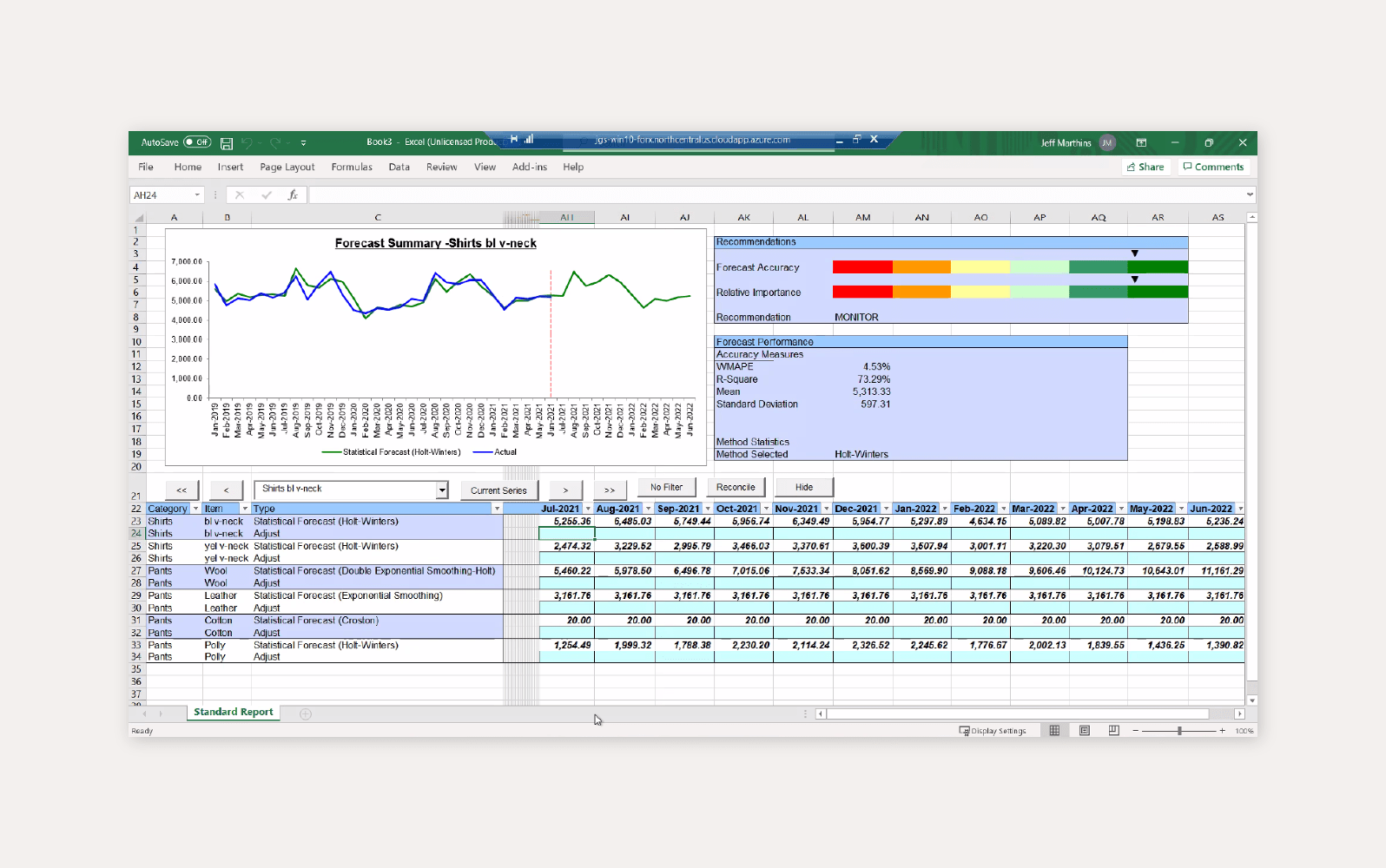
Trends in Forecasting Software for 2025
As we look ahead to 2025, several key trends are shaping the future of forecasting software:
Integration with AI and Machine Learning
Artificial Intelligence and Machine Learning are becoming increasingly central to forecasting software. This integration is leading to:
- More accurate predictions through advanced pattern recognition
- Self-improving models that learn from new data
- The ability to handle more complex, multi-variable scenarios
- Natural language processing for analyzing unstructured data
For example, Google’s DeepMind has developed AI models that can make highly accurate short-term weather predictions, outperforming traditional forecasting methods.
Cloud-Based Solutions
The shift towards cloud-based forecasting solutions is accelerating, offering several advantages:
- Scalability to handle growing data volumes
- Real-time collaboration across different locations
- Easier integration with other cloud-based business systems
- Reduced IT infrastructure costs
Major cloud providers like Amazon Web Services (AWS) and Microsoft Azure are offering powerful forecasting tools as part of their cloud services, making advanced forecasting capabilities accessible to businesses of all sizes.
Enhanced Data Visualization
As data complexity grows, so does the importance of effective visualization. Trends in this area include:
- Interactive, immersive data visualizations
- Augmented reality (AR) and virtual reality (VR) for data exploration
- Customizable dashboards for different user roles
- Integration of visual storytelling techniques
Tools like Tableau and Power BI are continually evolving their visualization capabilities, making it easier for users to understand and act on complex forecasts.
Sector-Specific Solutions
There’s a growing trend towards forecasting software tailored for specific industries or business functions. This specialization allows for:
- More accurate predictions based on industry-specific factors
- Better integration with existing industry workflows
- Compliance with industry-specific regulations and standards
- Faster implementation and adoption
For instance, companies like Blue Yonder offer specialized forecasting solutions for retail and supply chain management, incorporating industry-specific data and best practices.
Choosing the Right Forecasting Software
Selecting the right forecasting software for your business is a critical decision that can have far-reaching implications. Here are some key factors to consider:
Understand Your Business Needs
Before diving into the features and capabilities of different software options, it’s crucial to have a clear understanding of your business needs. Consider:
- What specific business processes or decisions do you need to forecast?
- What type of data do you have available, and what additional data might you need?
- Who will be using the forecasting software, and what are their technical skills?
- How will the forecasts be integrated into your decision-making processes?
Taking the time to clearly define your requirements will help you narrow down your options and choose a solution that truly meets your needs.
Evaluate Software Features
When assessing different forecasting software options, pay close attention to:
- Data integration capabilities: Can it easily connect to your existing data sources?
- Analytical tools: Does it offer the types of analysis you need?
- Ease of use: Is the interface intuitive, or will it require extensive training?
- Customization options: Can you tailor the software to your specific needs?
- Reporting and visualization: Does it offer clear, actionable insights?
- Collaboration features: Can multiple team members work together effectively?
Don’t be swayed by flashy features that you may not need. Focus on the core functionalities that align with your business requirements.
Scalability
In the rapidly evolving business landscape of 2025, it’s crucial to choose a solution that can grow with your business. Consider:
- Can the software handle increasing data volumes?
- Is it easy to add new users or expand to new departments?
- Can you easily integrate new data sources or analytical models?
- Are there tiered pricing options that allow for growth?
A scalable solution will ensure that your investment continues to pay off as your business grows and evolves.
Cost-Benefit Analysis
While the cost of forecasting software can be significant, it’s important to weigh this against the potential benefits. Consider:
- The direct costs of the software (licensing, implementation, training)
- Potential cost savings from improved decision-making
- The value of freed-up time from automated forecasting processes
- The competitive advantage gained from more accurate predictions
Remember, the cheapest option isn’t always the most cost-effective in the long run. Focus on the overall value the software can bring to your business.
Vendor Reputation and Support
Finally, don’t overlook the importance of choosing a reputable vendor with strong customer support. Look for:
- Customer reviews and case studies
- The vendor’s track record in your industry
- The level of ongoing support and training offered
- The vendor’s roadmap for future development
A strong partnership with your software vendor can be crucial for successful implementation and ongoing value creation.
Conclusion: Embracing the Future with Forecasting Software
As we navigate the complex and fast-paced business landscape of 2025, forecasting software has emerged as an indispensable tool for forward-thinking organizations. By harnessing the power of advanced analytics, machine learning, and big data, these tools are enabling businesses to peer into the future with unprecedented clarity and confidence.
From retail to healthcare, manufacturing to finance, forecasting software is transforming how businesses plan, operate, and compete. It’s not just about predicting what might happen; it’s about creating a more resilient, adaptive, and successful organization that can thrive in any future scenario.
As you consider implementing or upgrading your forecasting capabilities, remember that the key to success lies not just in choosing the right software, but in fostering a data-driven culture that values forward-thinking and continuous improvement. With the right tools, mindset, and approach, you can turn the uncertainty of the future into your greatest competitive advantage.
Embrace the power of forecasting software, and step confidently into a future where your business doesn’t just respond to change – it anticipates and shapes it.
For more insights on leveraging forecasting software in your business, check out this informative video by McKinsey & Company on Advanced Forecasting Methods.