
The Evolution of Procurement Software Tools
The Traditional Era of Procurement
In the not-so-distant past, procurement was a laborious, paper-driven process. Imagine towering stacks of invoices, endless phone calls for price negotiations, and the constant shuffle of physical documents between departments. This manual approach was not only time-consuming but also prone to errors and inefficiencies. For instance, a medium-sized manufacturing company in the early 2000s would typically employ a team of procurement specialists who spent hours each day manually inputting data, cross-checking prices, and maintaining physical vendor catalogs. The process was slow, and the risk of human error was high, often leading to costly mistakes and delays in production.
The Digital Transition
As we entered the digital age, forward-thinking companies began to recognize the potential of technology in streamlining their procurement processes. The transition started with simple digital catalogs and basic order management systems. These early tools, while rudimentary by today’s standards, marked the beginning of a procurement revolution. One of the pioneers in this space was Ariba, founded in 1996. They introduced one of the first e-procurement systems, which helped businesses move their purchasing processes online. This shift allowed for faster transactions, better record-keeping, and the first taste of what data-driven procurement could offer.
The Rise of Comprehensive Procurement Software Tools
Fast forward to 2025, and the landscape of procurement software tools has transformed dramatically. Today’s solutions are no longer just digital versions of paper processes; they are sophisticated platforms that leverage artificial intelligence, machine learning, and big data analytics to provide end-to-end procurement management. Modern procurement software tools integrate seamlessly with other business systems, offer real-time insights, and even predict future procurement needs. They’ve become indispensable for businesses of all sizes, from startups to multinational corporations. For a deeper dive into the historical evolution of procurement technology, check out this informative YouTube video on the history of e-procurement.
Key Features of Modern Procurement Software Tools
Supplier Management and Relationship Building
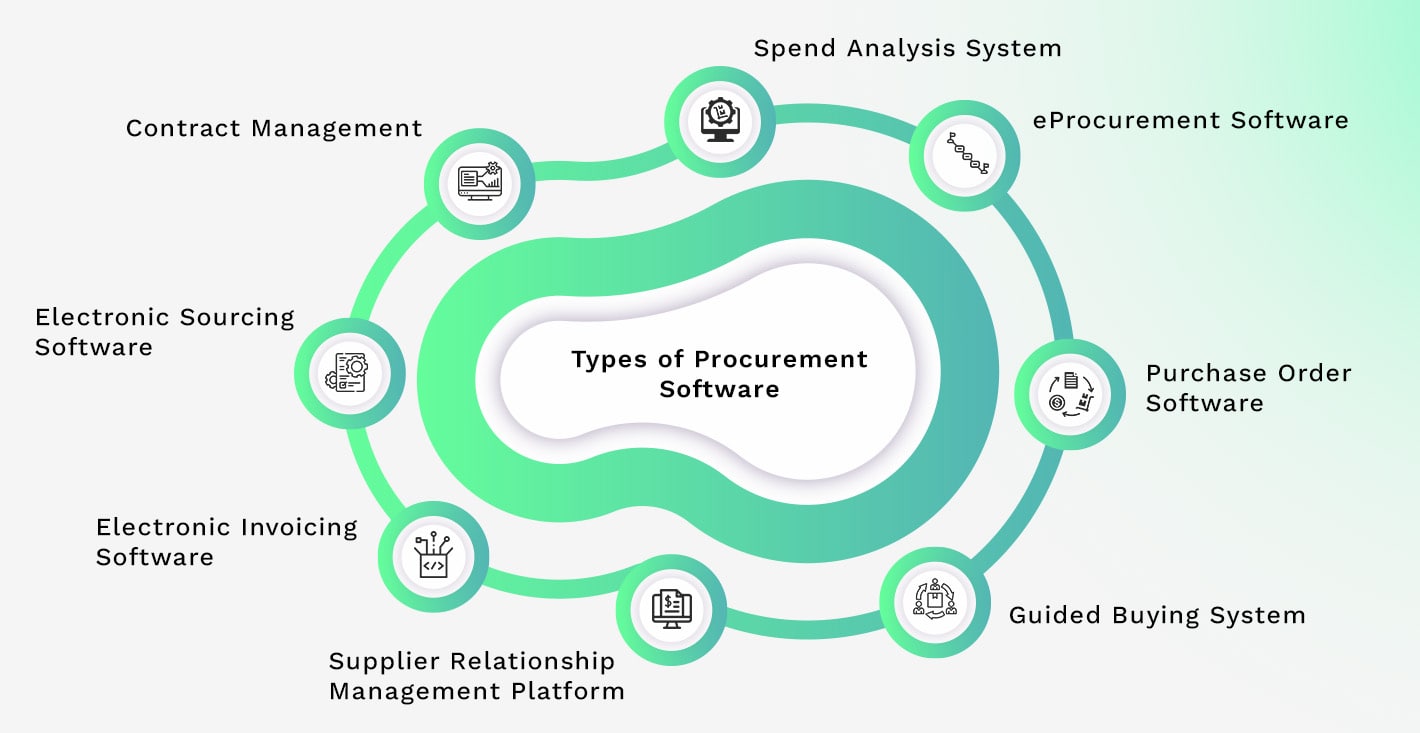
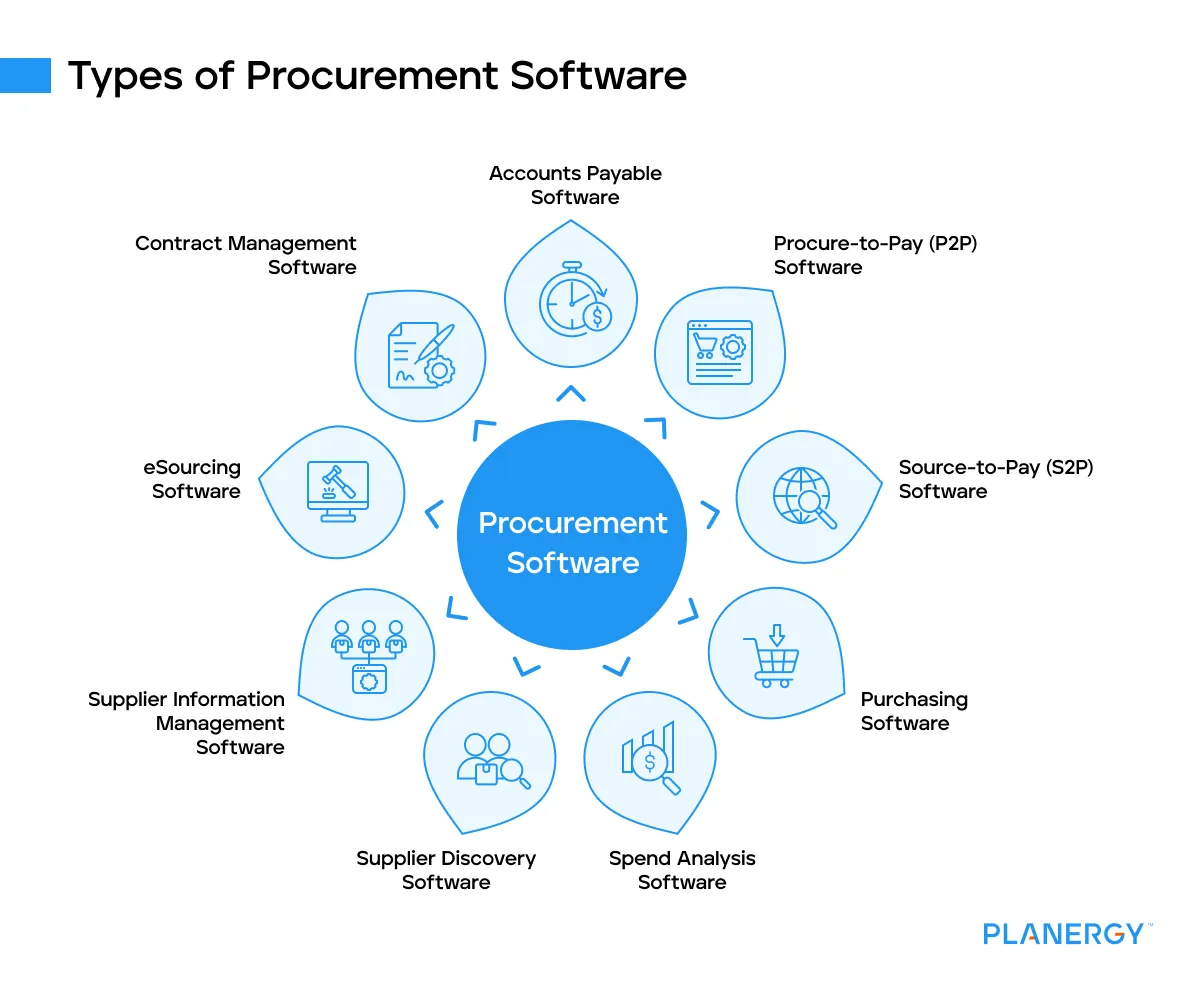
One of the cornerstone features of contemporary procurement software tools is robust supplier management. These systems go beyond simple vendor directories, offering comprehensive profiles that include performance metrics, risk assessments, and communication histories. For example, a tool like SAP Ariba Supplier Management allows businesses to:
- Maintain a centralized supplier database
- Track supplier performance and compliance
- Facilitate collaborative innovation with key suppliers
- Manage supplier onboarding and lifecycle
This level of detail enables procurement teams to make informed decisions, negotiate better terms, and foster stronger relationships with their most valuable suppliers.
Spend Analysis and Cost Optimization
Modern procurement software tools excel in providing deep insights into an organization’s spending patterns. They use advanced analytics to categorize and analyze expenditure across different departments, projects, and suppliers. A standout feature in this category is predictive analytics. Tools like Coupa use machine learning algorithms to forecast future spend based on historical data and market trends. This foresight allows businesses to:
- Identify cost-saving opportunities
- Negotiate better contracts
- Optimize budgets across the organization
- Avoid overspending and budget overruns
Contract Management and Compliance
Gone are the days of contracts lost in filing cabinets. Today’s procurement software tools offer sophisticated contract management features that ensure compliance and maximize the value of supplier agreements. Key functionalities in this area include:
- Centralized contract repository
- Automated renewal reminders
- Clause libraries for faster contract creation
- Integration with e-signature tools for quicker approvals
- Compliance tracking and reporting
For instance, Icertis Contract Intelligence platform uses AI to analyze contracts, identify risks, and ensure compliance with regulatory requirements and internal policies.
Procure-to-Pay Automation
Automating the entire procure-to-pay cycle is perhaps the most transformative feature of modern procurement software tools. This end-to-end process automation covers everything from requisition to invoice payment, significantly reducing manual work and errors. Key components of procure-to-pay automation include:
- Electronic purchase orders and approvals
- Automated three-way matching (PO, receipt, invoice)
- Dynamic discounting for early payments
- Integration with accounting and ERP systems
Tools like Basware offer comprehensive procure-to-pay solutions that can reduce processing costs by up to 75% and capture early payment discounts more consistently.
Data Analytics and Reporting
In the data-driven world of 2025, procurement software tools are expected to deliver actionable insights through advanced analytics and reporting capabilities. These features help procurement teams make data-backed decisions and demonstrate the value of their efforts to stakeholders. Modern tools offer:
- Customizable dashboards for real-time performance monitoring
- Drill-down capabilities for detailed analysis
- Benchmark reports against industry standards
- Predictive analytics for future spend and supplier performance
For a visual explanation of how data analytics is transforming procurement, watch this insightful video on YouTube.
How to Choose the Right Procurement Software
Assessing Your Organization’s Needs
Selecting the right procurement software tools begins with a thorough assessment of your organization’s specific requirements. This process involves: 1. Evaluating current procurement processes and pain points 2. Identifying key stakeholders and their needs 3. Determining the scale of procurement operations 4. Assessing integration requirements with existing systems It’s crucial to involve representatives from various departments, including finance, IT, and end-users, to ensure all perspectives are considered.
Key Considerations for Procurement Software Selection
When evaluating procurement software tools, consider the following factors: Scalability: Choose a solution that can grow with your business. Cloud-based solutions like GEP SMART offer excellent scalability and flexibility. User Experience: The software should be intuitive and easy to use. Look for solutions with modern interfaces and mobile capabilities. Integration Capabilities: Ensure the tool can integrate seamlessly with your existing ERP, accounting, and other business systems. Customization Options: Every business is unique, so look for software that allows for customization to fit your specific processes and workflows. Security Features: With cyber threats on the rise, robust security measures are non-negotiable. Look for tools with advanced encryption, multi-factor authentication, and regular security audits. Vendor Reputation and Support: Research the vendor’s track record, customer reviews, and support offerings. A strong, reliable partner is crucial for long-term success.
Conducting a Thorough Evaluation
Once you’ve shortlisted potential solutions, conduct a thorough evaluation: 1. Request detailed demos tailored to your use cases 2. Arrange for a trial period to test the software in your environment 3. Speak with reference customers in similar industries 4. Evaluate the total cost of ownership, including implementation, training, and ongoing support Remember, choosing the right procurement software is a significant decision that can impact your operations for years to come. Take the time to make an informed choice.
Implementing Procurement Software Tools: Best Practices
Planning for Successful Implementation
Implementing new procurement software tools is a significant undertaking that requires careful planning and execution. Here are some best practices to ensure a smooth transition: 1. Develop a Clear Implementation Strategy: Create a detailed plan outlining timelines, milestones, and responsibilities. 2. Assemble a Cross-Functional Team: Include representatives from procurement, IT, finance, and key user departments to ensure all perspectives are considered. 3. Set Realistic Timelines: Be realistic about implementation timelines, considering factors like data migration, system integration, and user training. 4. Prioritize Change Management: Develop a comprehensive change management plan to address potential resistance and ensure user adoption.
Data Migration and System Integration
One of the most critical aspects of implementing new procurement software tools is ensuring smooth data migration and system integration. Consider the following: Data Cleansing: Before migration, clean and standardize your data to ensure accuracy in the new system. Phased Migration: Consider a phased approach to data migration, starting with the most critical data sets. Integration Testing: Conduct thorough testing of integrations with existing systems to identify and resolve any issues before go-live. Data Validation: After migration, validate the data in the new system to ensure completeness and accuracy.
User Training and Adoption
The success of your new procurement software tools largely depends on user adoption. Invest in comprehensive training programs: 1. Role-Based Training: Tailor training sessions to different user roles and their specific needs. 2. Hands-On Workshops: Provide hands-on training sessions where users can practice using the new system. 3. Create User Guides and Resources: Develop comprehensive user guides, video tutorials, and quick reference materials. 4. Ongoing Support: Establish a support system for users to get help when needed, including a help desk and regular check-ins. 5. Feedback Mechanisms: Set up channels for users to provide feedback on the new system, allowing for continuous improvement. For more insights on successful software implementation, check out this YouTube video on best practices for enterprise software implementation.
Future Trends in Procurement Software Tools
Artificial Intelligence and Machine Learning
As we look towards the future of procurement software tools, artificial intelligence (AI) and machine learning (ML) are set to play increasingly pivotal roles. These technologies are already being integrated into advanced procurement platforms, offering capabilities such as: Predictive Analytics: AI-powered tools can analyze historical data and market trends to predict future pricing, demand, and potential supply chain disruptions. Intelligent Sourcing: ML algorithms can automatically identify the best suppliers based on multiple criteria, including price, quality, and reliability. Natural Language Processing: NLP capabilities allow procurement software to understand and process unstructured data from contracts, emails, and other documents, extracting valuable insights. Autonomous Procurement: In the near future, we may see AI systems capable of making low-risk purchasing decisions autonomously, freeing up procurement professionals to focus on strategic tasks.
Blockchain in Procurement
Blockchain technology is poised to revolutionize procurement processes by enhancing transparency, traceability, and security. Key applications include: Smart Contracts: Blockchain-based smart contracts can automate contract execution, ensuring all parties meet their obligations. Supply Chain Transparency: Blockchain can provide an immutable record of every transaction in the supply chain, enhancing traceability and reducing fraud. Supplier Verification: Blockchain can streamline supplier onboarding and verification processes, creating a trusted network of suppliers. For a deeper understanding of blockchain in procurement, watch this informative video on YouTube.
Internet of Things (IoT) Integration
The integration of IoT devices with procurement software tools is set to transform inventory management and supply chain operations: Real-Time Inventory Tracking: IoT sensors can provide real-time data on inventory levels, triggering automated reordering when stocks are low. Predictive Maintenance: IoT devices can monitor equipment performance, predicting maintenance needs and automatically initiating procurement processes for replacement parts. Supply Chain Visibility: IoT-enabled tracking can provide real-time visibility into the location and condition of goods throughout the supply chain.
Sustainability and Ethical Procurement
As businesses increasingly focus on sustainability and ethical practices, procurement software tools are evolving to support these initiatives: Sustainability Scoring: Advanced tools now include features to assess and score suppliers based on their sustainability practices. Carbon Footprint Tracking: Some procurement platforms can now track and report on the carbon footprint of procurement activities. Ethical Supply Chain Mapping: Tools are being developed to map entire supply chains, ensuring compliance with ethical labor practices and environmental standards.
Conclusion: Embracing the Digital Procurement Revolution
As we’ve explored throughout this article, procurement software tools have come a long way from their humble beginnings. In 2025, these tools are not just facilitating transactions; they’re driving strategic decision-making, enhancing supplier relationships, and contributing to overall business growth. The key features we’ve discussed – from comprehensive supplier management to advanced analytics and automation – are transforming procurement from a back-office function to a strategic driver of business value. The ability to harness data, automate routine tasks, and gain real-time insights into spending and supplier performance is giving procurement professionals unprecedented power to impact their organizations’ bottom lines. Looking to the future, the integration of AI, blockchain, and IoT technologies promises to take procurement to new heights of efficiency and effectiveness. These advancements will not only streamline processes further but also enable more strategic, data-driven decision-making. However, it’s important to remember that technology is only part of the equation. Successful implementation of procurement software tools requires careful planning, change management, and ongoing commitment to user adoption and system optimization. As businesses continue to navigate an increasingly complex and globalized marketplace, those that embrace these digital procurement tools will be best positioned to thrive. By leveraging the power of modern procurement software, organizations can achieve greater efficiency, cost savings, and strategic advantage in their purchasing operations. The digital procurement revolution is here, and it’s transforming the way businesses operate. Whether you’re a small startup or a multinational corporation, now is the time to evaluate your procurement processes and consider how these powerful tools can drive your business forward. Are you ready to revolutionize your procurement processes? The future of procurement is digital, data-driven, and more strategic than ever before. Embrace it, and watch your organization soar to new heights of efficiency and success.